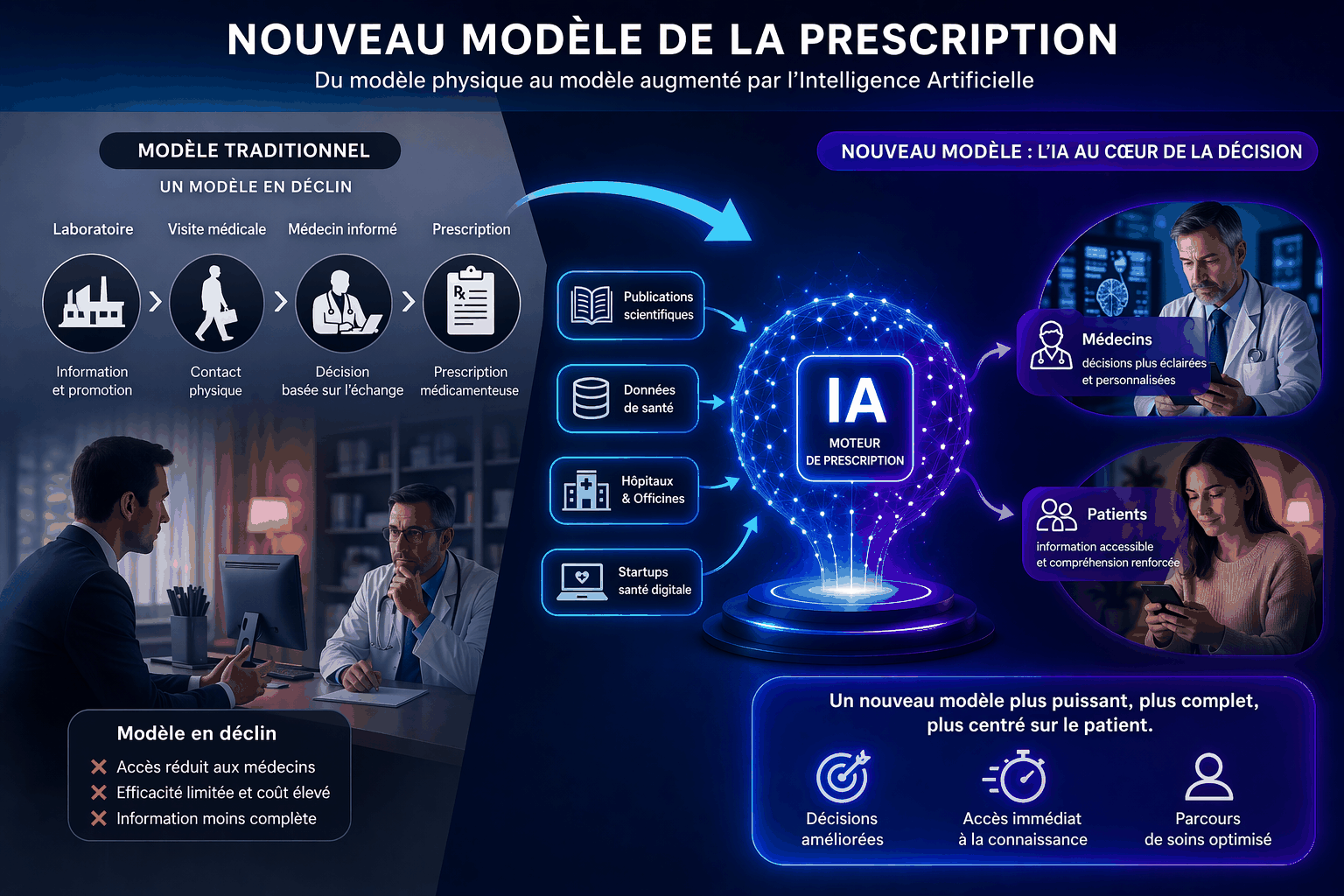
Artificial Intelligence: a new prescription model for pharmaceutical products
AI is giving rise to a prescription model more powerful than the traditional physical one, and confronts pharmaceutical companies with a question of sovereignty they can no longer ignore.
April 17, 2026 · Didier Tranchier (Ph.D)
Artificial intelligence (AI), and more precisely Large Language Models (LLMs), has established itself within a few years as one of the most structurally significant technologies of our time. While its impact across economic sectors is already well documented, its influence on medical practice — and more specifically on the pharmaceutical prescription model — remains insufficiently analysed. That is precisely the purpose of this article: to examine how AI is bringing about a new prescription model, more powerful than the traditional one, but which raises a fundamental question of sovereignty that pharmaceutical companies can no longer ignore.
To grasp the full scale of this transformation, we must first examine the structural weaknesses of the model it is displacing.
A physical prescription model in sharp decline
Let us start by clarifying what we mean by the physical prescription model for pharmaceutical products: the set of activities aimed at informing physicians about pharmaceutical specialities through physical contacts and materials, in order to increase their prescribing frequency. This model rests on several key functions within pharmaceutical companies:
-
Sales forces, who visit healthcare professionals, hospitals and pharmacies directly
-
Medical affairs, who disseminate scientific and medical information to healthcare professionals individually or collectively — notably at congresses — and promote clinical or therapeutic projects, including research
-
Marketing, which produces content and runs campaigns aimed at the entire ecosystem
The performance of this model has long been questioned. By way of illustration, a review of the scientific literature published as early as 2010 highlights the absence of any systematically demonstrated effectiveness.
Moreover, the continuous and growing restriction of access to physicians has eroded the model's effectiveness while increasing its cost. The accelerated development of digital tools has not reversed this trend: although it introduced new interaction channels, it has not restored the model's effectiveness.
In this context, the arrival of artificial intelligence does not merely weaken this model — it renders it obsolete, by creating a radically different new model.
AI is already the primary reference tool for physicians and patients
Since the launch of ChatGPT 3.5 on 30 November 2022, the adoption of these tools has grown at an unprecedented pace, as figure 1 below illustrates:
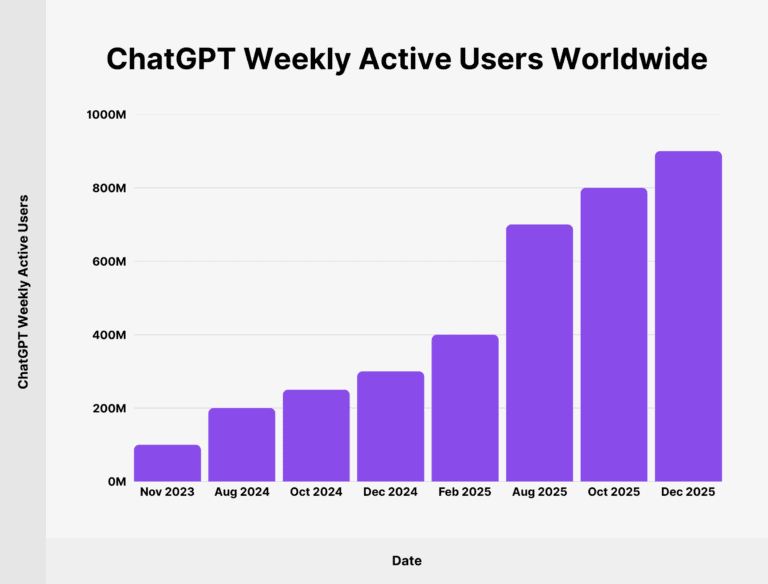
*Figure 1: Growth over time in the number of ChatGPT users, source: *https://backlinko.com/chatgpt-stats
Unlike what happened with search engines, the generative AI ecosystem is not reduced to a single dominant player: while ChatGPT is the most widely used tool, a multitude of other solutions coexist, several of which are designed specifically for the medical field.
The available data attests to an already significant penetration of these tools into medical practice:
-
A 2023 French study by the Healthcare Data Institute shows that 41.47% of physicians in France use AI at least once a month
-
A separate American study published by the AMA (American Medical Association) on 12 March 2026 shows that more than 80% of American physicians use artificial intelligence tools in 2026, compared with 38% in 2023
-
As for patients, OpenAI reports that among its 800 million regular users, 1 in 4 (25%) submits a health-related prompt every week
Beyond usage, the first clinical studies show that LLM recommendations genuinely influence therapeutic decisions: a study published in Nature Medicine in 2025 covering 50 American physicians shows that GPT-4's recommendations led physicians to revise their initial clinical decisions, with a measurable improvement in their diagnostic accuracy.
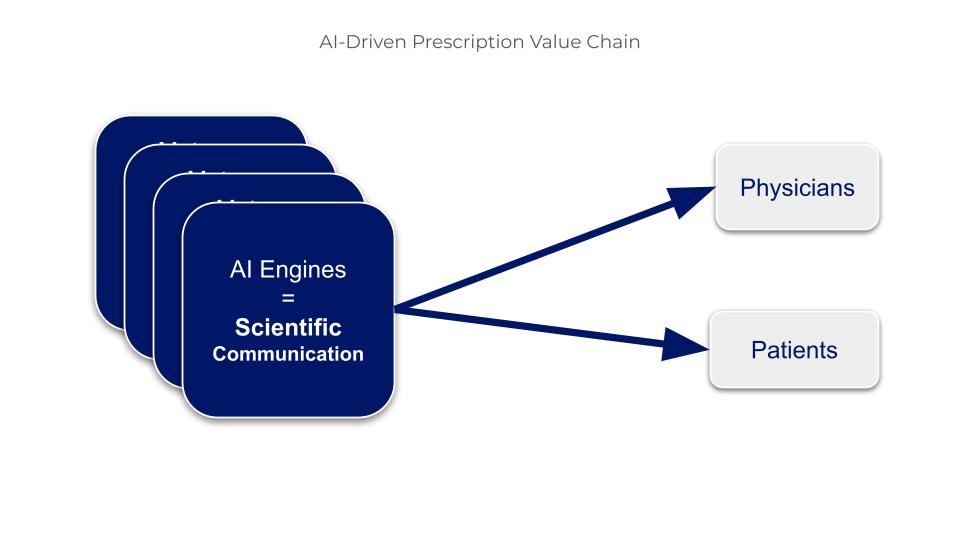
Figure 2. Artificial Intelligence as the primary influencer and prescriber for physicians and patients
Until now, much has been said about the influence of Dr Google, but Dr AI has become the most powerful influencer in the entire healthcare ecosystem. This shift might be perceived as a simple change of interface; it is in fact a fundamentally different change in nature: where Google merely indexes web pages without assessing their reliability, AI tools synthesise and rank information by giving precedence to validated scientific literature. For a medical question, Dr AI answers like a physician, not like a search engine.
Dr AI's prescribing power is directly tied to medical scientific publications with longitudinal data
GEO (Generative Engine Optimization) tools, used to optimise for generative engines, make it possible to identify the main sources that contribute to generating answers to user questions. There are also tools specific to the pharmaceutical industry, such as PharmaGEO, developed by the company Aikka.
This type of tool makes it possible to identify, for each artificial intelligence engine, the main medical scientific publications studying every molecule and every drug.
In other words, the scientific community of physicians publishing in scientific journals directly feeds the artificial intelligence engines, and therefore all physicians and patients.
But producing a high-quality medical scientific article requires data cohorts that are large in volume, structured, homogeneous, longitudinal and specific to a therapeutic area. And the best sources of such data are, without any doubt, the digital health applications that follow the patient throughout their medical treatment.
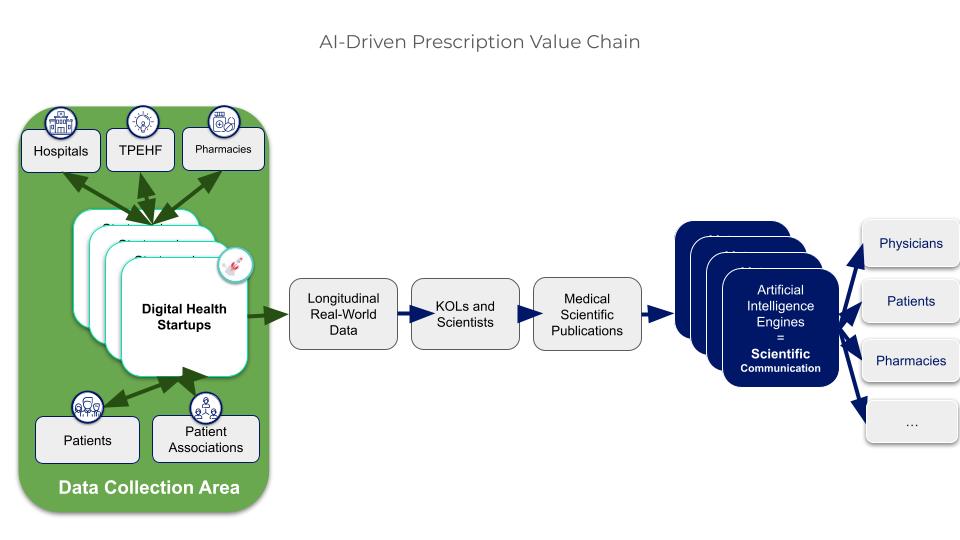
Figure 3. Digital health startups are the best sources of real-world data for scientific articles
Indeed, the literature shows that the value of digital data is primarily recognised when that data is tied to a clearly defined disease or indication, to clinical outcomes and to therapeutic decisions — which is typically the case for solutions targeted by therapeutic area rather than for general health or wellness applications.
To reach patients at the required scale, these startups necessarily need the support of the healthcare system's main players: physicians, particularly within hospitals, but also patient associations and pharmacies.
Worth mentioning too is the new and distinctive role of the Tiers-Lieux d'Expérimentation (experimentation hubs), a recent initiative of the French government designed to enable experiments within hospitals together with digital health startups. There are 37 of them in France today and their future remains uncertain, even though their usefulness is fundamental to this new value creation.
The value of these startups, and of their data, is in fact directly proportional to their deployment capacity: the greater the volume of data collected, the greater their scientific and strategic usefulness.
Yet we sometimes see a proliferation of startups within a single speciality or therapeutic area, often creating confusion when choosing between solutions. We shall now see that this phase is transitional: for each therapeutic area taken separately — cardiology, diabetology, oncology and so on — we can predict that only a small number of players will prevail. That said, this concentration will not happen as quickly or as uniformly as in other digital markets: regulation that varies widely between countries, hospital institutions' resistance to dependence on private players, and the natural fragmentation by speciality are all brakes that will slow the process. This is precisely why pharmaceutical companies wishing to take a position have no interest in waiting, and why the open collaborative models we will examine in section 6 will be the sine qua non of these acquisitions' success.
A paradoxical situation is emerging: digital health startups sit at the heart of the new prescription value chain, and yet they remain economically fragile. To understand how this paradox might resolve itself, the history of ERP systems offers a striking insight.
Digital health startups are the ERPs of the healthcare system
Digital health has long been recognised by major international organisations as a fundamental lever for transforming our healthcare systems: the World Health Assembly unanimously adopted a resolution on digital health, and the WHO has defined a global strategy aimed at making healthcare systems people-centred and digitally enabled.
Nonetheless, these same startups struggle to find a viable business model allowing them to grow and consolidate their market value.
Today, in France, the main business models for digital health startups are:
-
direct sales to physicians, hospitals and/or patients
-
reimbursement of telemedicine solutions by the social security system
-
reimbursement of digital therapeutics by the social security system
The reimbursement of telemedicine solutions and digital therapeutics in France, launched after Germany's, seemed at one point to provide a framework that would enable digital health to emerge. Today we see that this is not the case: obtaining reimbursement is both a long and complicated process, and it is no guarantee of commercial success.
This is why the emergence of this new AI-driven prescription model may rapidly become the real catalyst for developing digital health.
The analogy with ERP (Enterprise Resource Planning) systems is illuminating. This software, deployed across all companies from the late 1990s onwards, made it possible to define for each organisation the important data to collect, then to create a centralised dashboard offering a global view of its operations — which is how companies were able to steer their transformation.
We can use this analogy to better understand how digital health solutions, by defining the data for each therapeutic area and then collecting that data across every component of the care pathway, will make it possible to obtain a global view based on relevant and homogeneous data.
Ultimately, if the value of this data is as fundamental as that of ERPs for companies, then whoever controls these startups will tomorrow control part of the prescribing power. That is precisely what will trigger an acquisition race.
The growing scarcity of digital health startups: a windfall for pharmaceutical companies
Experience from digital markets reveals a recurring dynamic. An initial exploration phase sees many competing solutions emerge: users generally adopt the first available solution and show some reluctance to use several. Gradually, a selection takes place: the least effective solutions disappear, while those with the widest deployment attract new users, who are sensitive to network effects. This process accelerates market concentration towards an oligopolistic structure, where a small number of players share most of the market.
This oligopolistic situation places startups in a position of strength: holding a significant market share, they are able to impose contractual terms favourable to themselves on pharmaceutical companies seeking access, which contributes to increasing their valuation. Faced with this balance of power, pharmaceutical companies have two strategies to secure their partnerships: direct acquisition or equity investment.
Several deals already illustrate this trend:
-
Roche's acquisition of Flatiron Health in 2018 for 1.9 billion dollars
-
Sanofi's partnership with and investment in Aetion in 2019
Furthermore, any company acquiring one of these startups would secure exclusive control of a rare and strategic resource. As the number of players shrinks, acquiring these platforms will create a genuine windfall effect: companies in a position to control access to this data could deny it to their competitors, thereby building a lasting competitive advantage at the expense of those who deferred their decision.
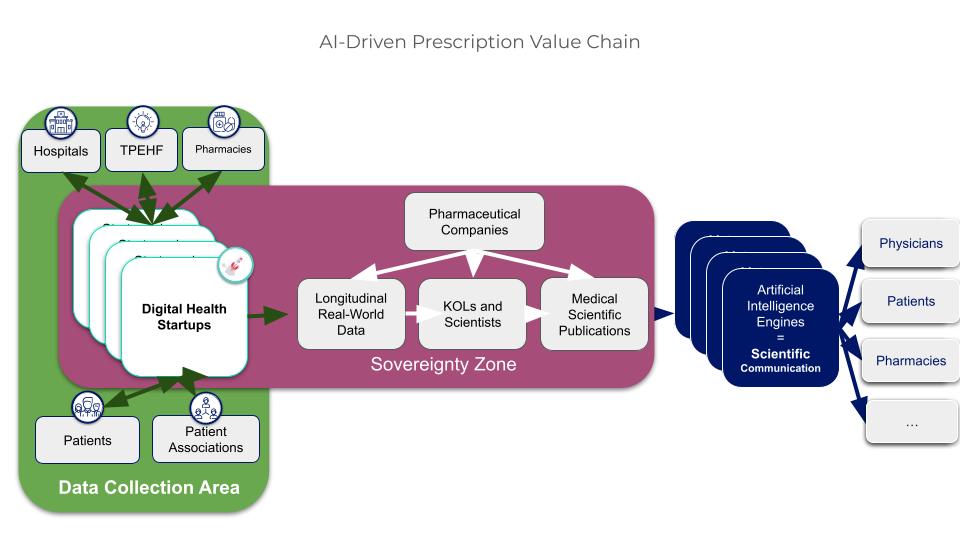
Figure 4. Acquiring digital health startups creates a windfall effect for pharmaceutical companies
This acquisition strategy is not without risk, however: control of a startup by a pharmaceutical company creates potential tensions with the very ecosystem on which that startup's value depends.
Open collaborative architecture: the condition for acquisitions to endure
Indeed, the interests of pharmaceutical companies may not be fully aligned with all the components of the ecosystem that feed the startup's value and enable the production of this high-quality data.
Genuine tensions can arise between those who control the startup and the ecosystem around it, which can lead to conflict and to the startup being rejected.
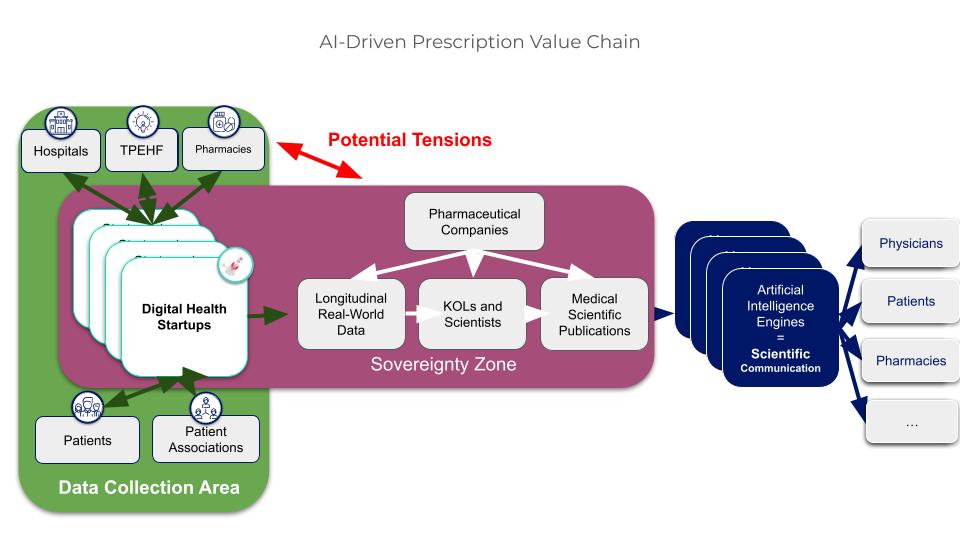
Figure 5. Illustration of the potential tensions between pharmaceutical companies and the healthcare ecosystem
For such an acquisition to endure, the pharmaceutical company controlling the startup cannot behave as a predator towards the ecosystem that constitutes its value. Three conditions are essential: first, multi-stakeholder governance that aligns everyone's interests around shared objectives; second, a value-sharing model that benefits all contributors — physicians, hospitals, patient associations, pharmacies — without whom the data cannot be produced; third, a capacity for concrete experimentation in the field, which validates the usefulness of the solutions and generates real evidence of value. These three conditions define what may be called an open collaborative architecture.
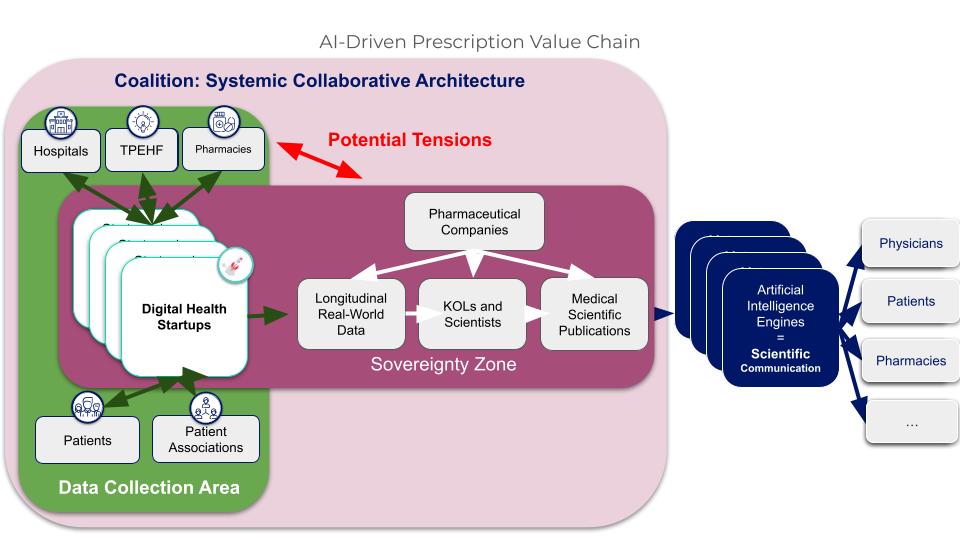
Figure 6. Coalitions must be created that align the interests of the healthcare ecosystem's players
NextGen Coalition, co-founded and operated by Digital Pharma Lab since 2020, is today the reference model for this type of architecture in France. In five years it has brought together more than 40 partner institutions — hospitals, pharmaceutical companies, startups and institutions — around collective governance, with 3.5 million euros mobilised and more than 35 innovative projects supported, covering digital care pathways, remote monitoring and AI tools for clinicians, and 100,000 patient users already benefiting from the solutions trialled within this framework.
In the community pharmacy field, Coalition IDEO, also led by Digital Pharma Lab, applies the same principle to a different ecosystem. It brings together healthcare manufacturers, pharmacy groups, wholesalers and digital experts around a common goal: supporting pharmacies in integrating digital technology, at a time when the pharmacist's profession is diversifying rapidly — vaccination, screening, therapeutic support. Each year, a call for projects co-designed with all members over six months of collective work selects the most promising solutions, ensuring that the real needs of pharmacies and patients are at the heart of the process. The first call for projects drew 42 applications, of which 11 were presented to the Coalition and 4 projects were selected and are currently being finalised and deployed.
These two examples illustrate an essential lesson: the value of a coalition is not decreed, it is built patiently, through evidence. What makes these models robust is precisely that they are not controlled by a single player: they work because every stakeholder finds a real and measurable interest in them. This is the model that pharmaceutical companies acquiring digital health startups will have to reproduce and institutionalise, on pain of destroying the very value they are seeking to capture.
Conclusion: AI will create a virtuous circle that gives value to digital health startups and to genuinely collaborative systems, for everyone's benefit
Artificial intelligence is profoundly reshaping the pharmaceutical prescription model by offering physicians and patients alike answers grounded in validated scientific literature. In this new configuration, the digital health startups that produce data cohorts that are large in volume, structured, homogeneous, real-time, longitudinal and specific to a therapeutic area will enable the production of scientific publications based on a global, quantitative and representative view of the therapeutic pathway.
To secure their sovereignty and consolidate their competitive advantage, pharmaceutical companies will have every interest in acquiring or controlling these startups. But to do so, they will have to build genuinely open collaborative architectures, capable of aligning the interests of all the ecosystem's players around this new value chain — the sine qua non of lasting systemic change, for the benefit of the entire sector.
Bibliography
Gagnon, M. A., & Lexchin, J. (2010). Information from pharmaceutical companies and the quality, quantity, and cost of physicians' prescribing: A systematic review. PLOS Medicine, 7(10), e1000352. https://journals.plos.org/plosmedicine/article?id=10.1371/journal.pmed.1000352
Romanow, K. (2015, August 18). Crossing the threshold: More than half of physicians restrict access to sales reps. PR Newswire. https://www.prnewswire.com/news-releases/crossing-the-threshold-more-than-half-of-physicians-restrict-access-to-sales-reps-300136525.html
PR Newswire. (2016, July 14). As doctors keep closing doors on pharma reps, do digital communications provide a better solution? PR Newswire. https://www.prnewswire.com/news-releases/as-doctors-keep-closing-doors-on-pharma-reps-do-digital-communications-provide-a-better-solution-300317132.html
Healthcare Data Institute. (2023). Les Français, les professionnels de santé et l'intelligence artificielle. https://healthcaredatainstitute.com/wp-content/uploads/2024/01/etudes-hdi-day-2023_compressed_compressed-1.pdf
American Medical Association. (2026, March 12). More than 80% of physicians use AI professionally: AMA survey. https://www.ama-assn.org/practice-management/digital-health/more-80-physicians-use-ai-professionally-ama-survey
Fierce Healthcare. (2024). 40M people use ChatGPT to answer healthcare questions, OpenAI says. https://www.fiercehealthcare.com/ai-and-machine-learning/40m-people-use-chatgpt-answer-healthcare-questions-openai-says
Semigran, H. L., Linder, J. A., Gidengil, C., & Mehrotra, A. (2017). The effect of Dr Google on doctor–patient encounters in primary care: A quantitative, observational, cross-sectional study. BMC Family Practice. https://pmc.ncbi.nlm.nih.gov/articles/PMC6169945
Staudenmayer, K. L., et al. (2025). Physician clinical decision modification and bias assessment in a randomized controlled trial of AI assistance. Communications Medicine (Nature). https://www.nature.com/articles/s43856-025-00781-2
Wikimedia Foundation. (2024). Optimisation pour les moteurs génératifs. Wikipédia. https://fr.wikipedia.org/wiki/Optimisation_pour_les_moteurs_g%C3%A9n%C3%A9ratifs
Aikka. (n.d.). PharmaGEO. https://www.aikka.ai/
Neves, A. L., et al. (2023). Digital health technology for real-world clinical outcome measurement using patient-generated data: Systematic scoping review. Journal of Medical Internet Research, 25, e46992. https://www.jmir.org/2023/1/e46992/
GNIUS - Espace Numérique de Santé. (2023). Les Tiers-Lieux d'Expérimentation en santé (TLE) - fiche acteur. https://gnius.esante.gouv.fr/fr/acteurs/fiches-acteur/tiers-lieux-dexperimentation-en-sante-tle
GNIUS - Espace Numérique de Santé. (2023). Les Tiers-Lieux d'Expérimentation en santé (TLE) - programmes nationaux. https://gnius.esante.gouv.fr/fr/programmes-nationaux/tiers-lieux-dexperimentation
Sinsky, C., et al. (2018). Digital health and health systems of the future. National Library of Medicine. https://pmc.ncbi.nlm.nih.gov/articles/PMC6203414/
Wikimedia Foundation. (2024). Thérapie numérique ou digitale. Wikipédia. https://fr.wikipedia.org/wiki/Th%C3%A9rapie_num%C3%A9rique
Wikimedia Foundation. (2024). Progiciel de gestion intégré. Wikipédia. https://fr.wikipedia.org/wiki/Progiciel_de_gestion_int%C3%A9gr%C3%A9
Digital Pharma Lab. (n.d.). NextGen Coalition. digitalpharmalab.com/ecosysteme/nextgen-coalition
Digital Pharma Lab. (n.d.). Coalition IDEO - Innovation Officine. digitalpharmalab.com/ecosysteme/coalition-ideo
Wikimedia Foundation. (2024). Grand modèle de langage. Wikipédia. https://fr.wikipedia.org/wiki/Grand_mod%C3%A8le_de_langage